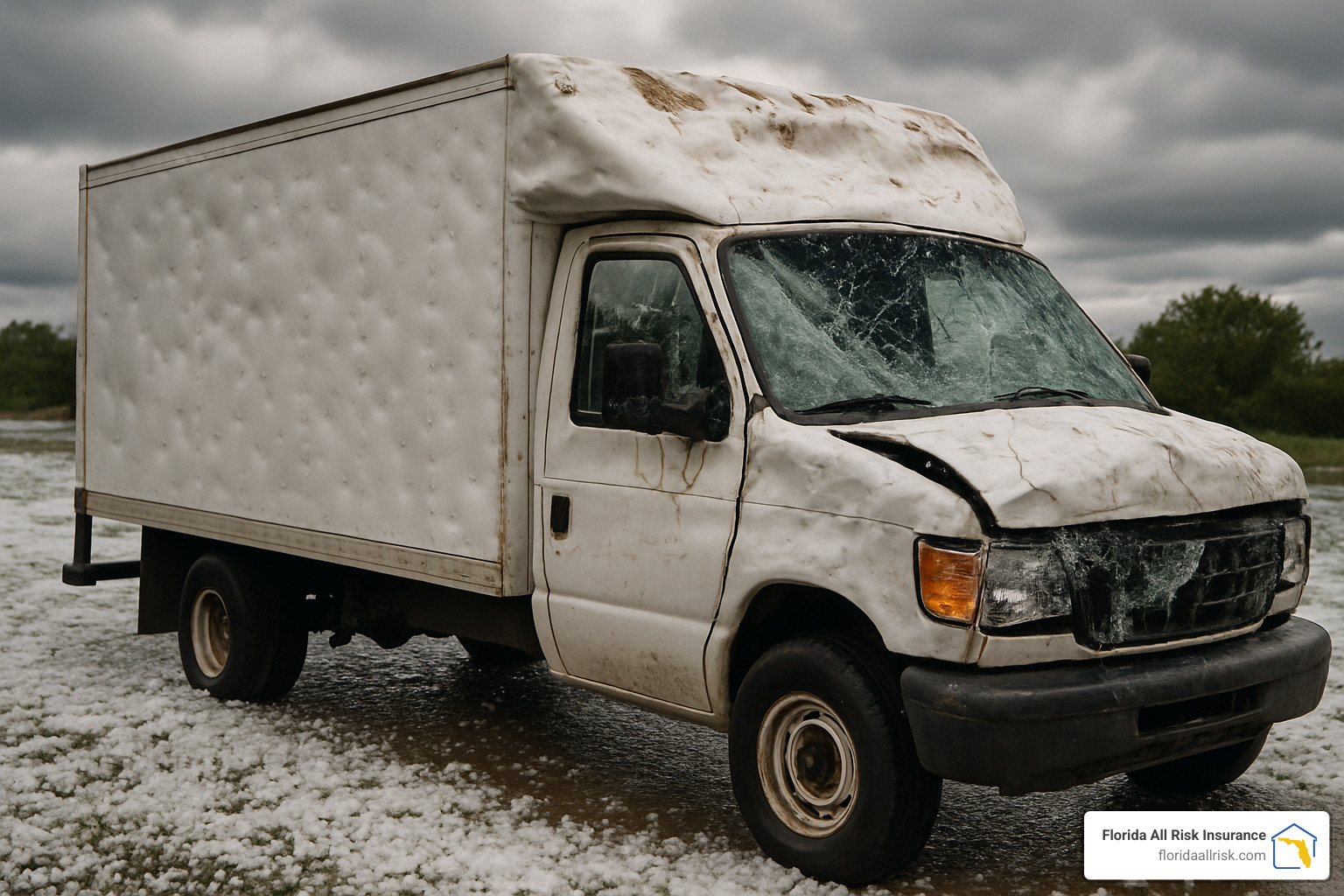
Sometimes an insurance company's initial estimate for hail damage doesn't match what a repair provider's own assessment shows. If you're facing this gap, there are clear steps you can take to address it rather than simply accepting a number that seems too low.
Why Estimates Sometimes Come In Low
Insurance company estimates are sometimes based on a quick visual review, remote photo assessment, or standardized software calculations that don't always capture the full extent of damage, particularly subtle dents that require closer, hands-on inspection to identify. This is one of the more common reasons a gap emerges between an insurer's initial number and what a repair shop identifies during a thorough physical inspection.
Get a Detailed, Independent Repair Estimate
If your insurance estimate seems low, the first step is getting a detailed, panel-by-panel estimate from an experienced repair provider. This documentation, which itemizes every dent and affected panel individually, gives you concrete evidence to bring back to your insurance company if their number falls short.
Request a Supplement
Most insurance companies allow for what's called a supplemental claim if additional damage is found after the initial estimate. If your repair provider's assessment reveals damage the insurance company's initial estimate missed, submitting this documentation as a supplement is the standard process for addressing the gap.
Ask for a Re-Inspection
If the discrepancy is significant, requesting that your insurance adjuster conduct a new, in-person inspection, ideally alongside your repair provider, can help resolve differences directly. Seeing the actual damage in person, with a technician available to walk through specific findings, often clears up disagreements more effectively than back-and-forth over photos alone.
Understand Depreciation and Betterment Deductions
Sometimes what looks like a low estimate actually reflects a deduction for depreciation or betterment on certain parts, which is a standard practice for older vehicles needing replacement parts rather than repair. Understanding whether this applies to your specific estimate helps clarify whether the number is actually inaccurate or simply reflects a standard adjustment.
Escalating If Necessary
If you've submitted a detailed supplemental estimate and still aren't getting a fair resolution, most insurance companies have a formal appeals or escalation process. Being organized, specific, and referencing your documented repair estimate throughout this process improves your chances of a fair outcome.
Why Working With an Experienced Provider Helps
A repair provider that regularly handles hail damage claims understands what type of documentation supports a stronger supplemental claim and can communicate directly and specifically with your insurance company about the discrepancy.

Think your hail damage estimate is too low? Request a free assessment to compare.