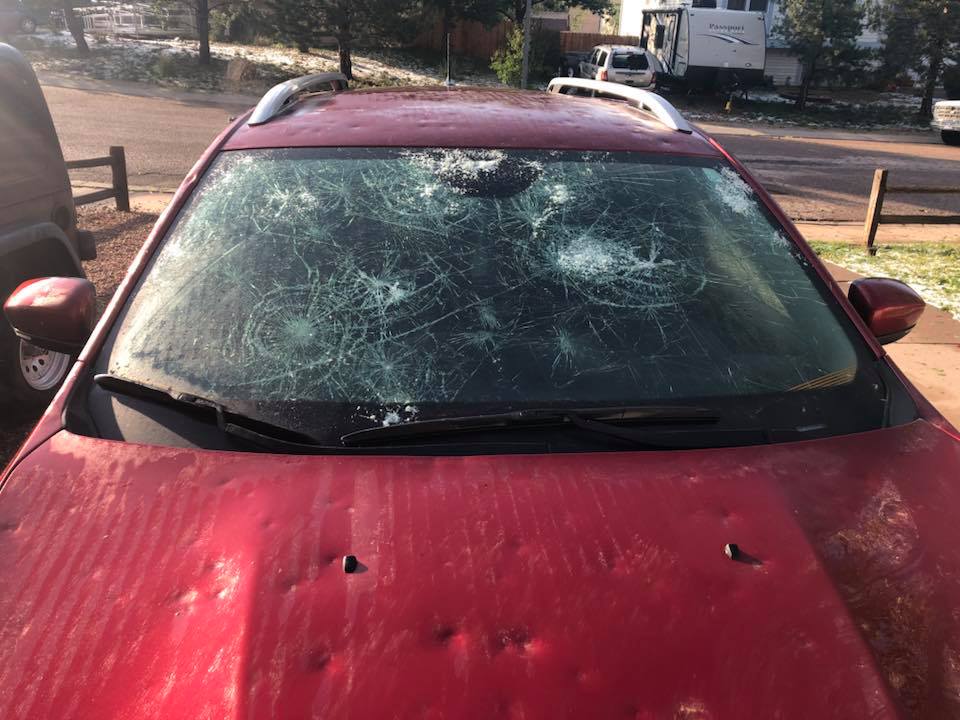
Texas storms move fast, and hail can leave a vehicle covered in dents within minutes. If you've just been through a hailstorm in the Austin, Dallas, or Fort Worth area, you're probably staring at a hood, roof, or trunk full of small dents and wondering what to do next. Here's a practical breakdown of how hail damage repair works and what steps to take first.
Step One: Document the Damage Right Away
Before anything else, take clear photos of every affected panel — hood, roof, trunk, doors, fenders, and mirrors. Good documentation helps later when you're filing an insurance claim, and it also gives a repair shop a head start on assessing your vehicle before you even bring it in. Try to photograph the damage in daylight, since hail dents can be harder to see in low light or under direct overhead sun.
Step Two: Understand What Hail Damage Repair Involves
Hail damage repair for most modern vehicles relies on paintless dent repair, a technique that removes dents by carefully massaging the metal back into shape from behind the panel, without sanding or repainting. This method works well for hail damage specifically because hailstorms tend to create a pattern of small, rounded dents across multiple panels, rather than sharp creases or scratches. As long as the paint hasn't cracked, most hail dents are excellent candidates for this repair approach.
Panels most commonly affected by hail include the hood, roof, trunk lid, and the tops of fenders and doors — essentially any horizontal or near-horizontal surface that catches falling hail directly. A thorough hail damage repair addresses every affected panel, not just the most visible ones, since even smaller dents on a roof or trunk can add up when it comes to resale value.
Step Three: Get a Professional Assessment
Not every dent needs the same repair approach, and not every hailstorm produces the same severity of damage. Some vehicles come away with a handful of shallow dents that are relatively easy to repair, while others end up with dozens of dents including some deeper ones near panel edges. A professional assessment will identify exactly which panels are affected, how many dents there are, and whether paintless dent repair is a good fit for each one.
Step Four: File Your Insurance Claim
Hail damage is typically covered under comprehensive auto insurance, which is a separate coverage type from standard liability insurance. If you have comprehensive coverage, you can generally file a hail damage claim to cover the cost of repairs minus your deductible. The claims process usually involves submitting photos, getting a repair estimate, and sometimes having an adjuster inspect the vehicle in person or virtually.
This step can feel overwhelming, especially after a major regional hailstorm when adjusters are handling a high volume of claims. Many hail damage repair specialists offer to help with this part of the process directly, assisting with documentation, estimates, and communication with your insurance company so nothing gets lost in the shuffle.
Step Five: Schedule the Repair
Once your claim is approved, it's time to schedule the actual hail damage repair. One thing worth asking about upfront is how the shop handles your vehicle during the process. Some shops require your car to sit at their facility for the entire claims process, which can take weeks. Others only take possession of your vehicle once the repair itself is approved and ready to begin, which significantly reduces how long you're without your car.
Most hail damage repairs using paintless dent repair are completed within just a few days once work actually starts, though repairs involving replacement parts, such as a severely damaged hood, may take a bit longer.
Common Signs Your Vehicle Has Hail Damage
Sometimes hail damage isn't immediately obvious, especially on lighter-colored vehicles or in certain lighting conditions. Signs to look for include:
If you notice any of these signs after a storm, it's worth getting your vehicle checked out even if the damage looks minor at first glance.
Why Timing Matters
After a significant hailstorm, repair shops and insurance adjusters in affected areas often see a surge in claims. Getting your documentation together and your assessment scheduled sooner rather than later can help you get in the queue before things get backed up, and it also protects you if you're on a deadline with your insurance company to file a claim.

Been hit by hail recently? Request your free hail damage assessment today.