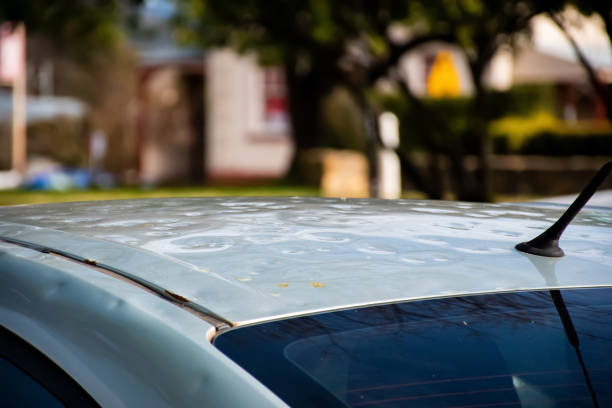
Leasing a vehicle comes with a specific set of considerations when it comes to hail damage, since most leases include condition requirements you'll need to meet at the end of your lease term. Understanding these requirements ahead of time can help you avoid unexpected fees.
Why Repair Matters More for Leased Vehicles
Most lease agreements include a clause regarding acceptable wear and tear versus excess damage. Hail damage, particularly multiple dents across several panels, generally falls outside normal wear and tear, meaning it typically needs to be repaired before the lease ends to avoid excess wear charges assessed by the leasing company.
What Happens During a Lease-End Inspection
When your lease term ends, the leasing company typically conducts an inspection to assess the vehicle's condition. Unrepaired hail damage, even damage that seems relatively minor, is commonly flagged during this inspection and can result in charges based on the leasing company's assessment of repair costs, which are sometimes higher than what you'd pay through your own insurance and a repair provider directly.
Why Repairing During the Lease Term Makes Sense
Rather than waiting until lease-end to address hail damage, repairing it as soon as possible after each storm generally makes more financial sense. This allows you to use your own comprehensive insurance coverage, paying only your deductible, rather than facing a potentially higher excess wear charge assessed by the leasing company at turn-in.
Does Comprehensive Insurance Still Apply to Leased Vehicles?
Yes, comprehensive coverage functions the same way for leased vehicles as it does for owned vehicles, assuming you carry this coverage as part of your policy. In fact, many leasing companies actually require comprehensive coverage as a condition of the lease itself, which means you likely already have this protection in place if you're leasing.
Timing Your Repair Around Lease End
If you're approaching the end of your lease term and have unrepaired hail damage, it's worth prioritizing getting this addressed well before your scheduled turn-in date. Since paintless dent repair is typically completed within just a few days once approved, there's usually enough time to handle this even if you're getting close to your lease-end date, as long as you don't wait until the very last minute.
What If You Notice Damage Right Before Lease End?
If a storm hits close to your lease-end date, communicate with your leasing company about your timeline. In many cases, getting the repair scheduled and completed, even close to turn-in, is still more cost-effective than accepting an excess wear charge, especially since PDR repairs move quickly once started.
Bottom Line for Leased Vehicles
Addressing hail damage promptly during your lease term, rather than leaving it for a lease-end inspection to catch, generally saves money and hassle. Since most leases require comprehensive coverage anyway, there's rarely a strong reason to delay repair.

Have hail damage on a leased vehicle? Request your free assessment today.