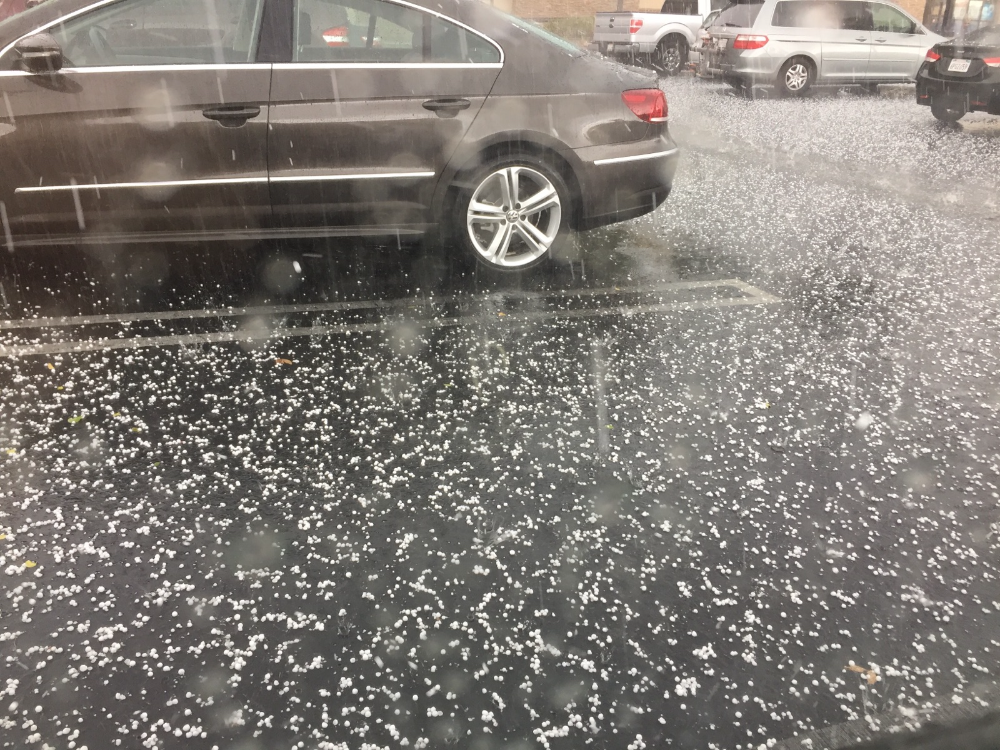
After a hailstorm, most hail damage is purely cosmetic, but that doesn't mean it's always safe to assume your vehicle is completely fine to drive without a quick check first. Here's what actually matters when it comes to driving safety after hail damage.
Cosmetic Damage vs. Functional Damage
The vast majority of hail damage falls into the cosmetic category: dents in the hood, roof, trunk, and body panels that don't affect how the vehicle drives or operates. In these cases, driving your vehicle is generally safe, even with a significant number of visible dents.
When Hail Damage Becomes a Safety Concern
There are exceptions worth checking for. Cracked windshields or damaged mirrors can affect visibility and should be addressed before extended driving, especially if the crack is within the driver's direct line of sight. Similarly, if hail was severe enough to damage lights, sensors, or antennas related to safety systems, these should be checked before assuming everything is functioning normally.
Checking Your Windshield
If your windshield sustained a crack or chip from hail, it's worth having it inspected before driving extensively, particularly on highways. Even small chips can spread over time or with temperature changes, potentially requiring a full windshield replacement if left unaddressed.
Checking Lights and Sensors
Some modern vehicles have sensors integrated into bumpers, mirrors, or grille areas that support features like parking assistance or collision warnings. While these are rarely damaged by typical hail, particularly severe storms with very large hail could potentially affect these components, so it's worth a quick visual check if your vehicle relies heavily on these features.
What About Just Dents?
If the damage is limited to dents in the hood, roof, trunk, and body panels without any cracked glass or functional component damage, there's generally no safety concern with driving the vehicle as-is while you arrange for repair. The main considerations at that point become cosmetic appearance and, eventually, resale value rather than safety.
Should You Delay Repair If It's Just Cosmetic?
Even though cosmetic hail damage doesn't typically prevent safe driving, there's little reason to delay getting an assessment and starting the repair or claims process. Since paintless dent repair is often quick and largely covered by comprehensive insurance, waiting doesn't offer much benefit and can sometimes make it harder to clearly tie the damage to a specific storm event if you wait too long to file a claim.
Quick Safety Checklist After Hail Damage

Want a full assessment to make sure everything's in order? Request your free assessment today.